

Kinetic Energy is Matter
in Motion
Kinetic energy is the energy contained
in a moving mass or in a moving particle (a particle
is a tiny bit of matter).
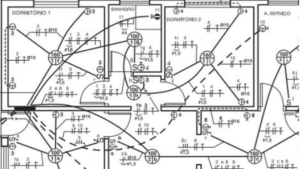
Electrical energy,
for example, is the flow of charged particles called
electrons or ions. When electrons are flowing through
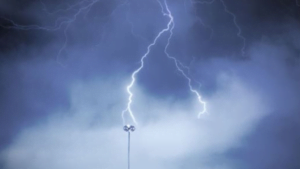
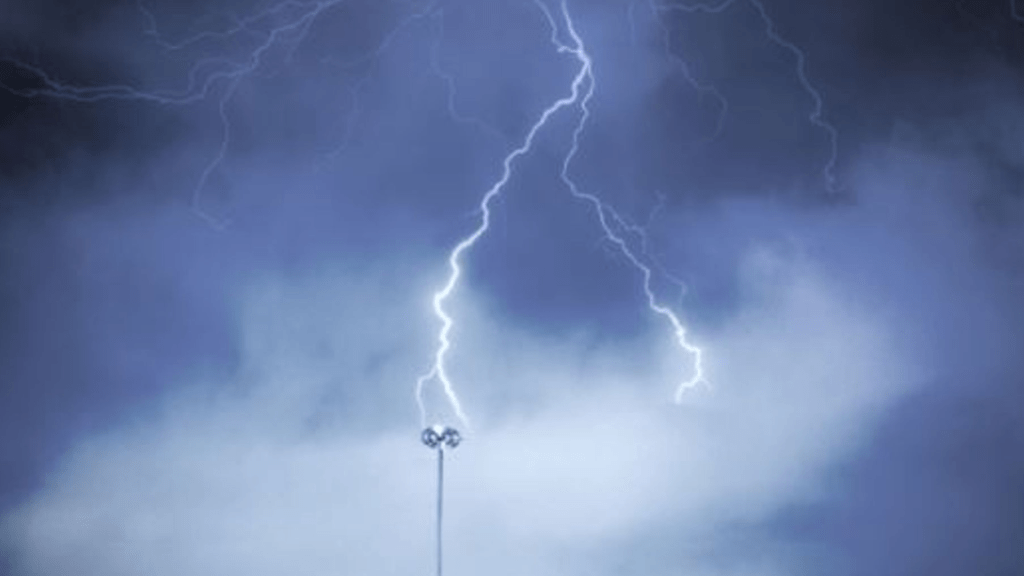
a wire or through hundreds of feet of air (an event
we call lightning) it is because they are being "pushed"
or forced by an electrical field. This field is caused
by a difference in electrical charge. A force is exerted
on the electrons and they move. Work is done on the
charged particles. A force is pushing them through
a distance. Actually, they are hopping from atom to
atom, being pushed by an electromotive force. While
the electrons are moving they contain kinetic energy.
So at the itsy-bitsy atomic level electricity is a
form of kinetic energy.
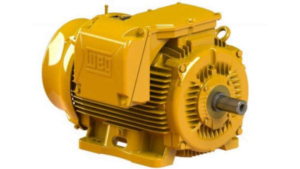
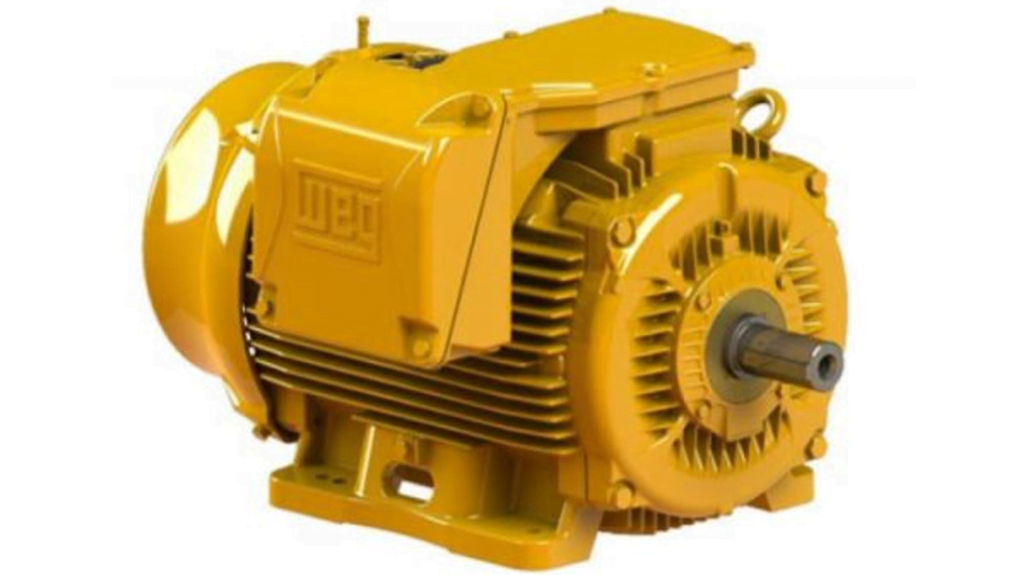
Mechanical energy
is the useful way we sometimes refer to things like
gears, engines, locomotives pulling trains, canon
balls flying through the air, or other examples of
energy in mechanical devices. But, of course, by now
you see that all these moving parts contain kinetic
energy. They are really just different modes of kinetic
energy - the energy contained in a moving mass. In
order to get these various objects spinning or rolling,
a force has to be exerted. Work is a force acting
through a distance, so the way they get moving and
keep moving is by having work done on them. Work is
an energy transfer process.
Chemical energy
refers to energy that is stored in molecular bonds,
the forces that hold molecules together. So releasing
chemical energy must mean the energy is finally free
from its molecular bonds. In the more general sense,
of course, it is potential energy. Stored energy,
or energy that is "waiting to happen", or
that has the "potential" to happen, or that
can happen but hasn't yet, is rather sensibly called
potential energy.
As described in the photosynthesis section, carbohydrate
molecules, used by living organisms for food (and
other things), store energy in their atomic bonds.
Living cells release this stored energy relatively
slowly by a process called respiration. Some of the
stored potential energy becomes the kinetic energy
of cell processes and muscle movement and some of
it becomes internal energy (often called heat).
Thermal Energy is
the internal energy of a thermodynamic system at equilibrium.
The flow of thermal energy from one system to another
is called heat. If the systems are at different temperatures
then part of the thermal energy flow can be converted
into work. Thermal energy is a measure of the total
vibrational energy in all the molecules and atoms
in a certain substance. Thermal energy is composed
of both kinetic and potential energy. The kinetic
energy is from the random motion of the particles,
and the potential energy originates from the repulsive
electromagnetic force between the electrons of atoms
that are close to each other.
Nuclear Energy is
another major form of energy, the energy that is trapped
inside each atom. One of the laws of the universe
is that matter and energy can't be created nor destroyed.
But they can be changed in form. Matter can be changed
into energy. Nuclear Fission is when an atom's nucleus
is split apart. When this is done, a tremendous amount
of energy is released. The energy is both heat and
light energy. Albert Einstein said that a very small
amount of matter contains a very LARGE amount of energy.
This energy, when let out slowly, can be harnessed
to generate electricity. When it is let out all at
once, it can make a tremendous explosion in an atomic
bomb. Another form of nuclear energy is called fusion.
Fusion means joining smaller nuclei (the plural of
nucleus) to make a larger nucleus. The sun uses nuclear
fusion of hydrogen atoms into helium atoms. This gives
off heat and light and other radiation.